




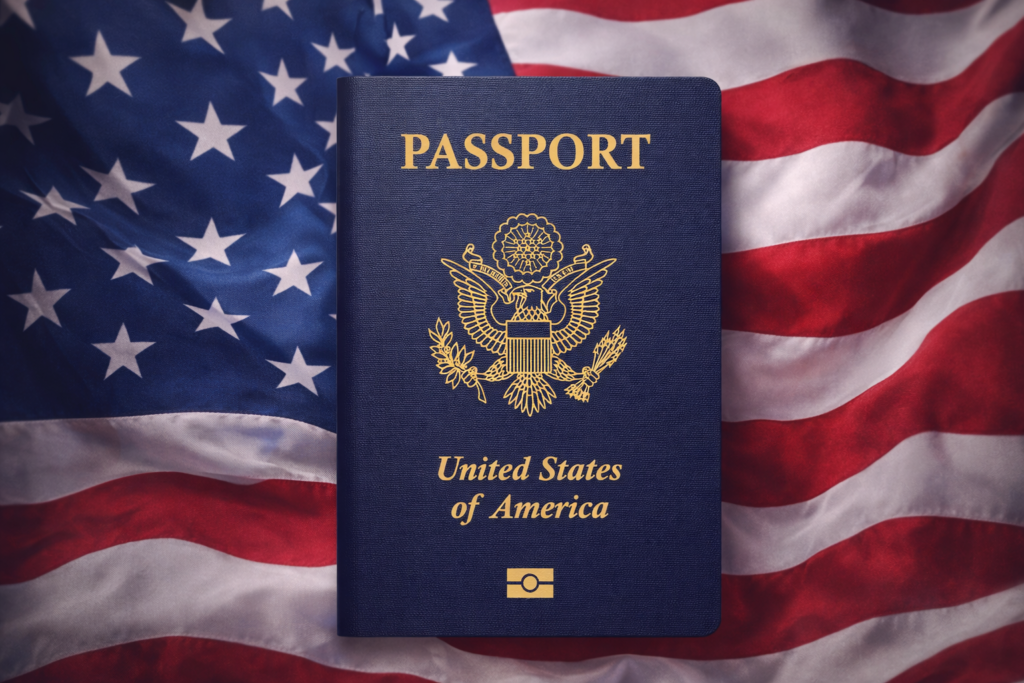
For many Somali Americans in St. Cloud, being a U.S. citizen once meant peace of mind. It meant safety. It meant knowing that no matter what happened around you, the Constitution stood between your family and fear.
That feeling is fading.
Somali refugees did not arrive in Minnesota by accident. Many came to the United States in the 1990s after fleeing civil war, violence, and state collapse in Somalia. They arrived through formal refugee and asylum pathways, vetted by the U.S. government, and resettled legally with the promise of safety, stability, and opportunity.
Minnesota, especially cities like Minneapolis, St. Paul, and St. Cloud, became home because of job opportunities, family reunification, and access to education. Over time, Somali refugees rebuilt their lives, learned English, started businesses, worked essential jobs, bought homes, and raised American-born children.
For many, becoming a U.S. citizen was the culmination of that journey.
Citizenship required years of lawful presence, background checks, interviews, and passing a civics test centered on the U.S. Constitution—learning about due process, equal protection, freedom from unlawful searches and seizures, and the right to remain silent. Somali Americans studied these principles deeply because they had lived in places where such protections did not exist.
Today, the vast majority of Somalis in Minnesota are U.S. citizens or lawful permanent residents, fully integrated into civic and economic life. They vote, pay taxes, serve as healthcare workers, truck drivers, teachers, small business owners, warehouse workers, and entrepreneurs. Their labor and businesses are a critical part of Minnesota’s economy, particularly in Central Minnesota. That is why the current fear feels so devastating.
When U.S. citizens, legal residents, and asylum seekers see people detained, pepper-sprayed, or questioned without clear explanation, it shakes the very foundation of what they were taught citizenship means. It creates a painful contradiction between what the Constitution promises and what families are experiencing in real life.
For a community that followed the rules, trusted the system, and embraced American civic values, the question now being asked is not political, it is deeply personal:
Over the past weeks, a surge in ICE activity across St. Cloud has created deep anxiety throughout immigrant neighborhoods—impacting not only undocumented residents, but asylum seekers who arrived legally, families with green cards, and even U.S. citizens. What began as enforcement actions has grown into a community-wide sense of fear and uncertainty.
Parents now hesitate before going to work. Some have not gone at all for days. Children are afraid to go to school. Newcomer families keep their kids home, worried that a normal school day could turn into a traumatic experience. Kids are asking questions no child should have to ask: “Will you be there when I get home?”
XIDIG TV has been on the ground documenting this shift as it unfolds.
One of the moments that shook the community most was the recent arrest yesterday of a U.S. citizen Moustaphe Youssouf in St. Cloud while he was helping his mother move into a new home. Youssouf works in a professional job and had built his life believing that citizenship, hard work, and following the law offered protection. That belief was shattered.
A rival Video shows ICE agents pepper-spraying Youssouf as his mother cried and pleaded for help. The reason for his arrest remains unclear.
Youssouf was later released and XIDIG TV had a chance to speak to him today about the incident, describing the public humiliation, physical pain, and emotional trauma he continues to experience.
“I have been publicly humiliated. I have never been humiliated like this before. My country failed me,” Youssouf said. “I had a nightmare last night. My body and my eyes are still burning. I’m shaken, and I can’t believe this happened. ICE is doing whatever they want, and the president is empowering this behavior. This is very wrong. I am a tax-paying U.S. citizen.”
For many watching, his words carried a chilling message: even professional, law-abiding U.S. citizens can find their sense of safety and belonging shattered in an instant.
The fear did not stop with individual arrests. It spread quickly into the economic heart of St. Cloud’s Somali community especially 33rd Avenue Somali Mall, a place that is far more than a shopping center. It is where families shop, elders gather, and Somali-owned small businesses survive.
Since ICE activity intensified and most visibly during a high-tension confrontation on January 12, businesses at and around the mall have struggled. That day, hundreds of residents confronted federal agents in the mall’s parking lot as fear and confusion spread rapidly that day. XIDIG TV was live on Facebook on the ground for more than four continuous hours, documenting the situation in real time. Families watched from their homes, unsure whether it was safe to step outside.
Many residents say they had never seen St. Cloud experience this level of fear before and that it did not fade when ICE finally left that day. Instead, it grew.
In the days that followed, foot traffic dropped sharply. Some business owners reported very few customers. Others chose to stay home altogether, putting safety over income.
Fear has been especially heavy for asylum seekers and families with pending legal status who came to the United States legally, followed the rules, and are actively contributing to the economy.
An asylum seeker who asked that his name and workplace not be mentioned out of fear, told XIDIG TV he entered the country legally and holds an I-94 document. He is currently waiting for his green card.
“I’m afraid to go to work,” Hussein said. “I haven’t went to work for days. I don’t have income to pay my rent.” He said many others are in the same position and legal residents frozen by fear. “Citizens are not even safe here,” he said. “They arrest you first, then ask questions after.”
Recognizing the growing panic, community leaders organized a Know Your Rights town hall video, which XIDIG TV covered closely. Guest speakers Abdinasir Abdullahi, an immigration attorney, and Attorney Abdisalan Mumin addressed St. Cloud residents, explaining legal rights, protections, and what families should do during encounters with ICE.
Despite the importance of the event, the auditorium was less than half full. Many Somali American families chose to stay home, too afraid to leave their houses, and instead watched the full town hall video on XIDIG TV. Fear kept people away but the need for information was clear.
Those who attended listened closely. Families took notes, asked urgent questions, and tried to make sense of a reality they never expected to face. These were not legal hypotheticals. These were parents trying to protect their children and prepare for the unknown.
One Somali American woman, Sadia, who asked that her last name not be used out of fear had shared words with XIDIG TV that captured what many are feeling.
“I don’t feel America anymore,” she said. “What is happening is the opposite of what I learned during my citizenship test. I learned so much about being an American, and I felt privileged just holding that passport. That whole dream is shattered when I’m forced to carry it everywhere I go.”
Her words reflect a painful reality now settling over St. Cloud: citizenship has become something people cling to out of fear, not pride.
Somali Americans are a vital part of Minnesota’s economy and especially in St. Cloud. From small businesses and trucking companies to healthcare, warehouses, retail, and service work, Somali families contribute millions of dollars every year through labor, entrepreneurship, and taxes. They are workers, employers, renters, homeowners, and consumers who help keep local economies alive.
Yet today, many of those same families are too afraid to leave their homes.
That is why Friday, January 23rd matters. It is a Day of Truth & Freedom and a moment to use economic power, labor, and collective voice to demand safety, dignity, and justice, and to call clearly for ICE out of Minnesota.
One Connected Reality
These are not isolated incidents. They are connected moments of the same reality. A city grappling with fear, questioning belonging, and trying to hold on to hope.
XIDIG TV will continue to document these stories, amplify community voices, and provide critical information when it matters most. Because in moments like these, telling the truth is not just journalism, it is protection.
About Author




More Stories
Islamic Center 2026 19th Annual
Islamic Center of St. Cloud is hosting its 19th Annual Convention on Saturday, October 3, 2026.
Residents raise concerns over Flock cameras at City Hall tonight. What do you think about the ALPR?